Sloane Street shop removals for boutiques Belgravia

If you run a boutique near Sloane Street, you already know the moving job is never just "a shop move". It is rails of delicate stock, mirrors that need careful handling, display furniture that does not like being rushed, and timing that has to work around customers, staff, deliveries, and, frankly, the reality of central London streets. Sloane Street shop removals for boutiques Belgravia demand a calm, organised approach because every hour of disruption can affect trade, brand presentation, and the condition of your stock.
This guide breaks down how boutique removals work in practice, what to plan for, which mistakes to avoid, and how to keep the move tidy from the first packed box to the final display shelf. If you are weighing up options, it also helps you make sense of the difference between a small commercial move and a genuinely retail-sensitive relocation. Let's make it straightforward.
Why Sloane Street shop removals for boutiques Belgravia Matters
Retail moves in this part of London are a different animal. A boutique is not just moving shelves and stock; it is protecting a carefully built customer experience. The scent of new packaging, the neatness of a rail, the way lighting hits a window display - all of that can be lost if the move is handled like a standard domestic clearance. That is why Sloane Street shop removals for boutiques Belgravia need a specialist mindset.
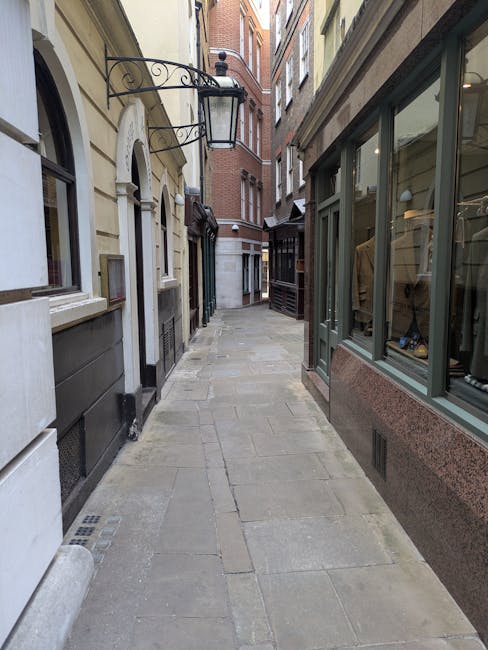
Location matters too. Sloane Street and the surrounding Belgravia streets are busy, tightly managed, and often time-sensitive. Access can be awkward, parking limited, and the margin for error small. If a van arrives too early, too late, or with the wrong equipment, you can end up with delays that ripple through the day. And if stock sits open for too long, you are not just dealing with inconvenience - you are dealing with risk.
For many boutique owners, the move happens at a tricky moment: a refit, a lease change, a stockroom reorganisation, or a relocation to a slightly better pitch. In each case, the goal is the same: keep the business looking polished while the practical work happens behind the scenes. That balance is the real reason this topic matters.
A good boutique move in Belgravia should feel almost invisible to customers. The hard work happens early, quietly, and with enough structure that the final handover feels controlled rather than chaotic.
If your move also overlaps with a wider business relocation, it may help to look at the wider scope of commercial moves and the practical support available through removal services. For some shops, especially those with a small footprint, a flexible man with van setup can be the simplest fit. For larger stock volumes, a bigger vehicle like a moving truck may be more appropriate.
How Sloane Street shop removals for boutiques Belgravia Works
Most boutique removals follow a clear pattern, even if the details vary. First comes planning, then packing, then protected transport, then unloading and setup. Simple enough on paper. In real life, the difference sits in the small details: how you label fixtures, whether fragile stock is packed by category, how you protect mirrors and glass, and whether the team understands retail presentation.
A proper boutique move usually starts with an inventory review. What is moving? What must stay in store until the last minute? What can be packed early? Which fixtures are staying with the business and which are being replaced? These questions are not glamorous, but they save time. They also reduce the chance of that one dreaded moment where someone says, "Wait, where did the display riser go?"
Then comes access planning. In Belgravia, access often decides the whole rhythm of the day. You may need a loading plan, a preferred arrival window, and a route that avoids unnecessary backtracking. If the move is very tight on time, a same-day or short-notice solution may be useful; in the right situation, same-day removals can reduce downtime, though only if the scope is genuinely manageable.
Finally, there is the fit-out side of the move. Boutique fixtures do not move themselves neatly, sadly. Rails, shelving, mannequins, tills, mirrors, garment covers, point-of-sale items, and boxes of accessories all need different handling. A move team that understands this will not pile everything into one generic load. They will separate, protect, and sequence the move so the new shop can reopen quickly.
Key Benefits and Practical Advantages
The main benefit of a well-run boutique removal is not just speed. It is control. You preserve stock quality, protect the look and feel of the brand, and avoid the half-moved, half-open mess that nobody enjoys. Customers notice neatness. Staff notice too. Truth be told, so do landlords and neighbouring businesses.
- Less disruption to trading: efficient planning can shorten downtime and reduce the amount of time the boutique sits in transition.
- Better stock protection: garments, accessories, packaging, and display items are packed in a way that suits their shape and value.
- Safer handling of fixtures: mirrors, glass, shelving, and branded furniture are less likely to suffer knocks or scratches.
- Cleaner set-up at the new site: properly labelled items make it easier to rebuild displays in the right order.
- Less pressure on staff: your team can focus on customer service and merchandising instead of wrestling with boxes all day.
There is also a less obvious advantage: a professional move protects your brand image. In luxury retail, presentation is part of the product. A cluttered back room or damaged display table can quietly undermine that. On the other hand, a smooth move gives the impression that the business is organised, careful, and worth trusting. That matters more than people sometimes admit.
If you expect to need storage between premises, or if the new shop is not ready on time, short-term support can help. The right storage arrangement can make a complicated move feel manageable rather than frantic.
Who This Is For and When It Makes Sense
This kind of move makes sense for independent fashion boutiques, accessory stores, jewellers, concept stores, and small premium retailers whose stock and fixtures need careful handling. It also suits pop-up brands that are scaling up into a more permanent Belgravia presence, because the move usually involves a mix of stock, branded displays, and timing pressure.
You may need boutique removals if you are:
- relocating from one unit to another on or near Sloane Street
- closing temporarily for a refurbishment or fit-out
- moving seasonal stock before a collection launch
- reconfiguring a showroom and stockroom at the same time
- merging stock from two locations into one
- opening a new boutique and need a clean, organised delivery and set-up process
It also makes sense for businesses that do not want to tie up a whole internal team for two days of lifting, wrapping, and running up and down stairs. If the move is modest, a man with a van or removal van may be a neat solution. If the site is larger or the schedule tighter, a more structured service can be a better fit.
Not every shop move needs a huge fleet. Sometimes it is just one smart vehicle, two careful people, and a clear plan. That said, if the fixtures are expensive or the access is awkward, trying to "wing it" is usually where the trouble starts. You can guess the ending.
Step-by-Step Guidance
A good move does not happen by accident. It is built step by step. Here is the practical version.
- Audit the inventory. List all stock, fixtures, packaging, POS equipment, mirrors, and fragile items. Separate "move now" from "move later".
- Measure both spaces. Check door widths, stair turns, lift sizes, loading points, and any tight corners. A beautiful shelf is useless if it will not fit through the doorway.
- Set the moving window. Decide whether the move will happen before opening, after closing, overnight, or across a staged period.
- Choose packing method by item type. Garments need breathable protection, accessories need clear labelling, and fragile decor needs cushioning and separation.
- Protect fixtures properly. Use blankets, wraps, covers, and corner protection for display furniture and glass.
- Label everything in plain language. "Summer dresses - rail 2" is far more useful than "Box 14".
- Plan the loading order. Put essentials and setup items where they can be reached first at the new site.
- Rebuild in phases. Prioritise stockroom organisation, then fixtures, then window dressing, then final styling.
A slightly unglamorous but very real tip: keep one box for essentials like keys, cleaning cloths, charger cables, a tape gun, pen, invoice copies, and a few spare tags. It saves a surprising amount of faffing later. Everyone has that moment of hunting for one tiny thing while standing beside ten larger things. It is always the tiny thing.
For packing support, it can be worth using packing and boxes if you need proper materials, or packing and unpacking services if your team does not have the hours to do it neatly. If you are comparing providers, broader removal companies can differ a lot in how they handle retail goods, so do ask specific questions.
Expert Tips for Better Results
There are a few habits that make a boutique move noticeably smoother. These are the kinds of things that are easy to miss when you are busy and slightly stressed, which, let's face it, is most move days.
- Pack by category, not by urgency alone. Keep similar items together so the new store can be set up logically.
- Photograph displays before dismantling them. Those quick pictures on your phone become surprisingly useful during re-merchandising.
- Use colour-coded labels. Even simple colour bands can help staff place stock in the right zones faster.
- Keep valuable items under close control. High-value accessories, jewellery, or locked items should be tracked carefully and handed over deliberately.
- Allow more time than you think. Central London access, traffic, and service lifts rarely care about your ideal timetable.
In our experience, the best boutique moves are run by people who care about process without becoming rigid about it. There is a difference. You want structure, yes, but you also want a team who can adapt when a doorway is narrower than expected or a delivery slot changes by half an hour. That flexibility is a big deal.
If the move is tied to an office-style back-of-house reorganisation, it may help to review office relocation services as well. Many boutique operations borrow the same practical principles: tidy scheduling, clear labelling, and sensible sequencing of sensitive items.
Common Mistakes to Avoid
Most problems in boutique removals are not dramatic. They are small decisions made too late. A few examples show up again and again.
- Leaving packing to the last afternoon. This usually creates rushed labels and poor separation of fragile stock.
- Ignoring access restrictions. If the van cannot stop legally and safely, everything else becomes harder.
- Mixing stock with non-stock items. It sounds efficient, but it slows unpacking and increases confusion.
- Underestimating fixture weight. Boutique furniture can be awkward, heavy, and easy to chip.
- Not planning for storage. A move gap of even a few days can derail opening plans if there is nowhere safe to keep stock.
- Forgetting insurance questions. If items are valuable, you need clarity before the first box is lifted.
Another classic mistake is assuming every mover understands retail. Some do, some do not. A good conversation before booking is worth more than a glossy promise. Ask how they handle fragile displays, garment rails, mirror wrapping, and stock labelling. If the answers are vague, that is useful information too.
One more thing: do not let the move become a design debate on the day. The aim is not to reinvent the boutique in transit. It is to move it safely and set it back up with as little drama as possible.
Tools, Resources and Recommendations
You do not need a mountain of equipment, but the right basics make a real difference. Think of this as the practical kit that keeps the whole process under control.
- Strong boxes and double-walled cartons for heavier stock and mixed items
- Wardrobe boxes or garment covers for clothing rails and delicate garments
- Bubble wrap, paper, and blankets for glass, mirrors, and display pieces
- Marker pens and label tape for clear, quick identification
- Stretch wrap and corner protection for furniture and fixtures
- Trolleys and dollies where weight and access allow safe use
- Lockable bags or sealed boxes for smaller valuables and admin items
On the service side, the best fit depends on the size of the move. A small boutique collection move may be fine with a man with van or even a man and van setup. A more complete relocation may need a broader removals approach with more manpower and a larger vehicle. If you are moving fixtures or overspill stock over several trips, removal truck hire can be a practical option.
For business owners comparing budgets, it is sensible to review pricing and quotes early. It is also wise to understand what is and is not included, especially where packing, waiting time, upper-floor access, or storage might affect the final cost.
Law, Compliance, Standards, or Best Practice
With boutique removals, the compliance side is less about one dramatic rule and more about doing the basics properly. In the UK, businesses are expected to manage stock, staff safety, property access, and waste responsibly. That means your move plan should reflect sensible health and safety practice, clear handling procedures, and proper care for anyone working on the site.
For example, lifting awkward items should be planned rather than improvised. Routes should be kept clear. Sharp edges and glass need protection. Packing areas should not become trip hazards. If your team is helping, they should know what to touch and what not to touch. That sounds obvious, but on move days obvious things are often the first to go missing.
It is also good practice to be clear about insurance and liability before the move starts. If you are moving expensive boutique stock or custom-made fixtures, ask how cover works in transit and while loading or unloading. The page on insurance and safety is a useful starting point for understanding how protection and safe handling are treated. Likewise, a clear health and safety policy helps set expectations around safe working.
Waste and packaging should also be thought through. Retail moves create cardboard, wrap, tape, and obsolete fixtures. Responsible disposal matters, especially if you want the move to end cleanly rather than with a pile of unusable materials in a corner. If sustainability is a priority, review recycling and sustainability options before the move date.
For trust and customer handling, it is also worth being comfortable with the company's terms, payment process, privacy approach, and complaint route. Those details may seem secondary on a busy moving day, but they matter when you want a clean, professional relationship. A business that is open about its terms and conditions, payment and security, privacy policy, and complaints procedure is usually easier to work with.
Options, Methods, or Comparison Table
There is no single "best" way to move a boutique. The right method depends on stock volume, access, timing, and the value of the items involved. Here is a simple comparison to make the decision easier.
| Method | Best for | Strengths | Watch-outs |
|---|---|---|---|
| Man and van | Small boutique moves, a few fixtures, lighter stock | Flexible, practical, often quick to arrange | May not suit large fit-outs or heavy loads |
| Removal van | Moderate loads with a need for neat transport | Good balance of capacity and manoeuvrability | May need extra planning for bulky furniture |
| Full removals team | More complex shop moves or multi-room retail spaces | More hands, more structure, better for delicate items | Higher cost and more scheduling needed |
| Truck hire | Bulkier stock or multiple trips | Capacity for larger, more demanding jobs | Needs more access planning and loading discipline |
| Storage-supported move | When the new site is not ready or stock needs staging | Reduces pressure between premises | Extra coordination and possible extra handling |
For many boutique owners, the smartest route is not the biggest one. It is the one that fits the actual job. A nimble setup can be ideal for a tightly edited store, while a more involved move is better for a larger assortment or expensive display furniture. No need to overcomplicate it.
Case Study or Real-World Example
Here is a realistic example based on the sort of move boutique teams in Belgravia often face. A womenswear boutique near Sloane Street needs to close for a weekend to move into a nearby unit with slightly more frontage. The shop has hanging stock, folded knitwear, glass display tables, mirrors, accessories, and a back-of-house stockroom full of packaging and archive items.
The team starts by separating items into three groups: trade-critical stock, fixtures that must be protected, and non-urgent archive items. The most valuable stock is packed first and kept tightly labelled. Window pieces are photographed before dismantling so the visual team can rebuild the display without guessing. Mirrors are wrapped carefully, rails are disassembled in the correct order, and the loading plan puts the first-day essentials nearest the van doors.
At the new premises, the stockroom is set up before the front of house. That choice matters. Why? Because staff can find what they need while the visual merchandising team is still building the shop floor. By late afternoon, the boutique is not fully styled, but it is functional. The lights are on, the stock is in, and the reopening does not feel panicked. That is a win.
The useful lesson is simple: a boutique move does not need to be dramatic to be successful. It just needs to be disciplined. Careful packing, clear labels, and a little patience go a long way.
Practical Checklist
Use this checklist before the moving day arrives.
- Confirm the move date, time window, and access arrangements
- Measure doorways, stairs, lifts, and loading points
- Count stock, fixtures, and fragile items
- Set aside high-value items for separate handling
- Gather boxes, wraps, labels, tape, and protective materials
- Photograph existing displays and fixture layouts
- Decide what goes to storage, what moves immediately, and what stays behind
- Inform staff who is responsible for what on the day
- Check insurance and handling expectations
- Prepare essentials box: keys, chargers, pens, invoices, tape, cloths
- Plan the first setup sequence for the new site
- Review waste and packaging disposal plans
It sounds like a lot, but once it is written down, it becomes manageable. Small job, clear list, less stress. That's the idea.
Get a free quote today and see how much you can save.
Conclusion
Sloane Street shop removals for boutiques Belgravia work best when they are treated as a retail-specific project, not a generic van job. The stock is too valuable, the brand presentation too important, and the local access conditions too unforgiving for guesswork. With the right packing method, a sensible move window, and careful attention to fixtures and layout, you can move without losing the polish that makes the boutique special in the first place.
If you take one thing from this guide, let it be this: plan the move around the business, not just around the boxes. Do that, and the rest tends to fall into place more smoothly than you might expect. A good move should leave you tired, yes, but also relieved - and ready for the new space to feel like yours.
And honestly, that first morning when everything is in place and the shop looks like itself again? That's a very good feeling.
Frequently Asked Questions
What makes boutique removals different from standard shop removals?
Boutique removals usually involve more delicate stock, higher presentation standards, and more attention to visual merchandising. That means better packing, better labelling, and more care with fixtures and display pieces.
How far in advance should I book a Sloane Street boutique move?
As early as possible if you have a fixed opening, refurbishment, or lease deadline. Even smaller moves benefit from advance planning because access, timing, and packing all need to be arranged properly.
Can a small boutique move be done in one day?
Sometimes, yes. If the stock volume is modest and access is straightforward, a same-day move can work. But once you add fragile fixtures, multiple floors, or storage needs, a one-day job can get tight.
Do I need storage during the move?
Not always, but it helps when the new space is not ready or when you want to stage stock in phases. Short-term storage can reduce pressure and keep the move more orderly.
What should be packed separately?
High-value accessories, delicate garments, mirror pieces, branded decor, paperwork, and anything needed for first-day trading should be packed separately and clearly labelled.
Is it better to use a man and van or a full removals team?
It depends on the size of the move. A small, light boutique relocation may suit a man and van or man with van service. Larger or more complex moves usually benefit from a fuller team.
How do I keep stock safe during transport?
Use proper boxes, protective wrapping, and clear labels. Keep similar items together, separate fragile pieces, and make sure the loading order reduces movement inside the vehicle.
What if the new boutique is not ready on time?
That is where careful planning and, if needed, temporary storage can help. It is better to build in a buffer than to assume the new site will be ready to the minute. Construction schedules do have a habit of being optimistic.
Should I photograph the shop before dismantling it?
Yes, absolutely. Photos of displays, rail layouts, shelf positions, and back-of-house organisation can save time when it comes to rebuilding the space.
What about insurance for valuable stock and fixtures?
Ask about cover before the move begins. It is sensible to understand how goods are handled in transit, during loading, and while unloading, especially if the items are high value.
Can boutique removals include packing and unpacking?
Yes, many moves can include that support. If you want help at both ends, packing and unpacking services can save time and reduce mistakes.
How do I choose the right mover for a Belgravia boutique?
Look for clear answers about access, packing methods, insurance, timing, and retail handling. The best fit is usually the team that understands the business side of the move as well as the lifting side.
Where should I start if I want a quote?
Start with a clear list of items, the move date, access details, and any storage or packing needs. That makes the estimate more accurate and easier to compare. You can also review pricing and quotes before you decide.