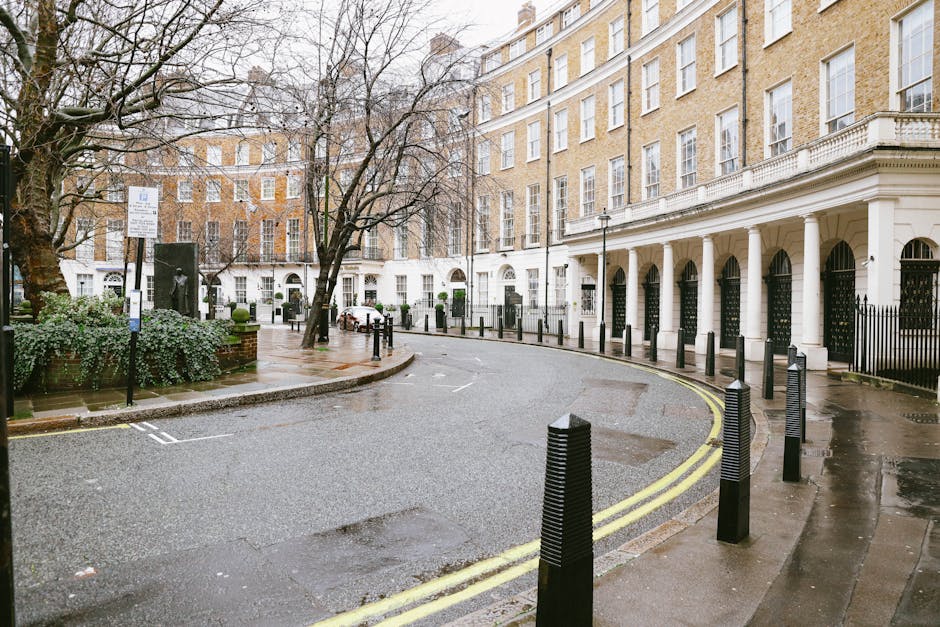
Belgrave Square Furniture Removals in Belgravia Near Victoria Station
If you are planning Belgrave Square furniture removals Belgravia Victoria Station, you are probably dealing with more than just a sofa and a couple of boxes. These moves often involve tight access, careful handling, awkward parking, and the kind of timing that can make a calm day feel oddly complicated. A polished console table does not care that it is raining, and a heavy wardrobe will not politely wait by the front door. That is why a well-planned approach matters so much.
In this guide, we will walk through how furniture removals work in this part of Belgravia, what makes the area different, how to avoid common mistakes, and how to choose the right service for your move. We will also cover practical packing tips, compliance and safety basics, and a realistic comparison of service options. If you are moving a single item, several rooms of furniture, or coordinating a more sensitive relocation near Victoria Station, you will find the essentials here.
Why Belgrave Square furniture removals Belgravia Victoria Station Matters
Belgrave Square sits in one of central London's most elegant and demanding residential pockets, and that elegance comes with practical realities. Streets can be busy, access may be limited, and timing matters a great deal when you are moving furniture in or out. Add Victoria Station into the picture, with its constant flow of traffic, pedestrians, and logistics pressure, and you have a move that benefits from precision rather than improvisation.
Furniture removals in this part of Belgravia are not just about lifting and driving. They are about protecting property, avoiding disruption, and getting things done without turning the day into a small disaster. In our experience, the difference between a smooth move and a stressful one is rarely strength. It is planning. It is knowing whether a wardrobe needs dismantling, whether a van can stop close enough, and whether the staircase or lift will actually help or just slow everything down.
That is why people looking for furniture removals here usually need more than a generic moving van. They need a service that understands central London access, careful handling, and the reality of working around residents, neighbours, and transport constraints. If you also need a broader moving service, it can help to explore removals or more targeted support like furniture removals and man and van services.
Expert summary: In central Belgravia, the best furniture move is the one that looks almost boring from the outside. Quiet, tidy, planned, and finished without surprises. That is the goal.
How Belgrave Square furniture removals Belgravia Victoria Station Works
Most furniture removals follow a simple structure, but the details matter. First, the items are assessed: what is being moved, how fragile it is, whether it needs dismantling, and how it will fit through doors, hallways, and stairwells. Then the route is planned. In a location like Belgrave Square, that may include thinking about loading points, timing around traffic, and the easiest way to minimise carrying distance.
Next comes protection. Good removal teams use blankets, straps, trolleys, wraps, and corner protection where needed. That sounds straightforward, but it is often where less experienced movers cut corners. A scratch on a lacquered table or a dent in a wardrobe door can be annoyingly easy to cause and very hard to ignore.
The moving day itself usually includes:
- arrival and quick walkthrough
- protecting furniture and access points
- safe lifting and carrying
- careful loading into the van or truck
- secure transport
- unloading and placement at the destination
If the job involves bulky items, fragile antiques, or awkward shapes, the process may also include partial dismantling and reassembly. For piano owners or those with unusually heavy items, specialist support such as piano removals may be more suitable than a standard furniture move.
A useful detail many people overlook: the removal method should match the access. A big truck is not always better. Sometimes a smaller, more agile removal van or man with van setup is simply more practical around central London streets. Not glamorous, but effective.
Key Benefits and Practical Advantages
The main benefit of professional furniture removals is obvious: your furniture gets from A to B with much less risk. But there are several smaller advantages that matter just as much in real life.
- Less physical strain: Heavy lifting is exhausting and easy to underestimate, especially when furniture is awkward rather than just heavy.
- Reduced damage risk: Trained movers know how to protect corners, surfaces, floors, and door frames.
- Better use of time: What might take you all afternoon can often be completed far more efficiently by a well-organised team.
- Smarter planning: Experienced movers can spot access problems before they become delays.
- More flexible service: You can often choose between a full team, a single-item move, a same-day collection, or storage support.
For many customers, flexibility is the real win. Perhaps you have sold a dining set and need it collected quickly. Perhaps you are refurnishing a flat near Victoria Station and need old items removed before the delivery arrives. Or perhaps you just need a hand with one brutal item that has defeated every friend you know. Fair enough, that happens.
Where storage or staging is needed, it can also help to look at storage as part of the wider moving plan, especially if your new place is not quite ready or the layout needs a bit of breathing space first.
Who This Is For and When It Makes Sense
This kind of move suits a surprisingly wide range of people. The obvious group is homeowners and tenants relocating furniture between properties in Belgravia, Chelsea, Westminster, or nearby central London neighbourhoods. But there are other situations where a specialised furniture move makes good sense.
You may need this service if you are:
- moving into or out of a Belgrave Square residence
- sending furniture to a second property or temporary address
- replacing a few large items rather than doing a full house move
- clearing old furniture after a renovation or redesign
- coordinating a flat move with tight access
- helping a relative downsize and needing careful handling
- moving office furniture or reception items in the wider Victoria area
Sometimes people assume they need a full-scale move even when they do not. Truth be told, a targeted furniture removal can be cleaner, cheaper, and easier to arrange. If you are handling a smaller residential move, flat removals or home moves may also be relevant depending on the scale.
For office-related furniture, especially desks, conference tables, or fit-out pieces, a service linked to commercial moves or office removals can make more sense than a domestic-only arrangement. Different job, different rhythm.
Step-by-Step Guidance
Here is a practical way to manage a furniture removal without losing the plot halfway through.
- List every item clearly. Note size, material, weight, and whether it comes apart. A rough list is better than no list, obviously, but a proper list is much better.
- Check access at both ends. Measure doors, stairs, lifts, and any tight turns. If there is a narrow hallway or a communal entrance, say so early.
- Decide what needs dismantling. Beds, wardrobes, shelving, and some tables may travel better in pieces.
- Choose the right support level. A single item may need a simple van service, while multiple rooms may need a larger team or vehicle.
- Protect surfaces before moving day. Remove loose shelves, tape drawers shut if needed, and wrap delicate edges.
- Confirm timing and loading arrangements. Central London moves often go better when arrival windows are realistic rather than optimistic.
- Prepare the destination. Make sure the space is ready, clear, and easy to access. It sounds obvious. It still gets forgotten a lot.
- Walk through after unloading. Check for placement, reassembly, and any damage concerns before the team leaves.
A small but important point: if your furniture is particularly valuable or sentimental, tell the movers in advance. That lets them handle it with the right care and planning. Nobody wants to discover at the front door that the mirror you mentioned in passing is actually a family heirloom.
For packing support, it can also help to use packing and boxes or packing and unpacking services if the furniture move is part of a bigger clear-out.
Expert Tips for Better Results
Here are the habits that consistently make furniture removals smoother in central London.
- Measure twice, move once. It is boring advice, but very effective. Door frames and stair bends are where surprises usually hide.
- Photograph complex items before dismantling. Those quick reference pictures save time later when reassembly starts to feel slightly cursed.
- Label bolts and fittings in separate bags. One bag per item is ideal.
- Keep a clear path from room to exit. Shoes, lamps, rugs, and random baskets tend to appear right when you do not want them.
- Book with a buffer. If your move is tied to a cleaning slot, tenancy handover, or delivery window, leave room for the unexpected.
- Use proper protection for delicate finishes. Veneer, glass, marble, and polished wood deserve more than "we'll be careful".
One of the best little decisions you can make is choosing a vehicle and crew size that fits the job properly. In some cases, a smaller, more nimble option works better than a large truck. That is why services like man with a van, man with a van, or removal truck hire can each suit different needs. Not all moves need the same gear. Quite the opposite.
If sustainability matters to you, ask how unwanted furniture will be handled. A responsible provider should be able to discuss reuse, recycling, and disposal pathways in a sensible way. For more on that side of the service, see recycling and sustainability.
Common Mistakes to Avoid
Furniture removals often go wrong in very predictable ways. The good news is that most of them are easy to avoid.
- Not measuring access. This is the classic one. A sofa is not "probably fine" through a staircase. Measure it.
- Leaving packing to the last minute. Small delays become big ones when the van is waiting outside and the drawers are still full.
- Choosing on price alone. Cheapest is not always cheapest if damage, delays, or repeat trips are involved.
- Ignoring insurance and handling details. Ask how items are protected and what happens if there is an issue.
- Forgetting building rules. Some buildings have loading expectations, concierge processes, or time restrictions.
- Assuming all furniture can be moved assembled. Some pieces really should be taken apart. Brute force is not a strategy.
One more thing: do not underestimate the difference between a tidy driveway move and a central London kerbside collection. Belgravia and the streets around Victoria Station are not the same as a quiet suburban cul-de-sac. The environment changes the job.
If you need a broader sense of moving support, you can compare services on the site such as removal services and removal companies before deciding what level of help feels right.
Tools, Resources and Recommendations
You do not need fancy kit to prepare for a furniture move, but a few practical tools help a lot.
| Tool or item | What it helps with | Why it matters |
|---|---|---|
| Measuring tape | Checking doors, hallways, and furniture dimensions | Prevents access problems |
| Furniture blankets | Protecting surfaces and edges | Reduces scuffs and knocks |
| Straps and ties | Securing items during transport | Stops movement in the van |
| Labels and marker pen | Identifying fittings and parts | Makes reassembly less frustrating |
| Protective wrap | Covering fragile or polished items | Helps prevent damage in transit |
If you are moving a larger household setup, a full service may be more practical than piecemeal arrangements. In those cases, house removals and house removalists can support the wider move, while furniture pick up may suit a simpler collection job.
For people with time pressure, same-day help can sometimes be the difference between a manageable day and a mess. It is not always necessary, but when it is, it is very handy. See same day removals if your schedule is unexpectedly tight.
Law, Compliance, Standards, or Best Practice
Furniture removals are practical work, but they still sit within sensible UK expectations around safety, handling, transport, and customer care. You do not need to become a legal expert to arrange a move, but you should expect your removal provider to work responsibly.
At a basic level, best practice usually includes:
- safe lifting and handling methods
- appropriate vehicle loading and restraint
- care with fragile or high-value items
- respect for property, floors, and access points
- clear communication about timings and responsibilities
- transparency on payments, insurance, and terms
For customers, that means reading the service details carefully and checking what is included before the move begins. If you want reassurance on these points, look at health and safety policy, insurance and safety, payment and security, and terms and conditions. Those pages help set expectations in plain terms.
There is also a wider responsibility to treat people and materials properly throughout the supply chain. If that matters to you, the company's modern slavery statement and about us information can help you judge the business's overall standards.
Options, Methods, or Comparison Table
Not every move needs the same solution. Here is a simple comparison to help you choose the right approach.
| Option | Best for | Strengths | Watch-outs |
|---|---|---|---|
| Furniture removals | Single items, multiple items, specialist handling | Focused, efficient, careful | May not suit a whole-house move on its own |
| Man and van | Smaller moves, collections, flexible jobs | Agile, often quick to arrange | Vehicle space and team size may be limited |
| Removal van | Local loading, central London access | Practical for tighter streets | May need multiple trips for larger loads |
| Removal truck hire | Larger volumes, more items at once | More space, good for bigger jobs | Less nimble in restricted access areas |
| Full removals service | Complex or larger household relocations | End-to-end support | More than needed for a small collection |
In a place like Belgrave Square, the "best" option usually depends on access, item size, and timing rather than just volume. A small job can still need a specialist. A larger job can still be easier with the right local van setup. That is the trick, really.
Case Study or Real-World Example
Imagine a couple moving out of a Belgravia apartment close to Victoria Station. They are not moving the whole contents of the flat; they only need a dining table, six chairs, a sideboard, and a pair of lamps taken to a new address nearby. On paper, it sounds simple. In practice, the table base does not fit through the hallway in one piece, the lamps are fragile, and the lift is too small for the sideboard unless it is angled carefully.
They start by measuring the access route, which immediately shows that the table must be dismantled. The movers protect the polished surfaces, wrap the lamps separately, and use blankets to prevent edge damage in the van. Because the destination is also central London, the team plans the route and timing to avoid unnecessary delays. The whole job finishes without drama. No scraped walls, no panic, no awkward "we thought it would fit" moment.
That is a small example, but it captures the point. Furniture removals are mostly won or lost in the preparation. Once the move starts, the work should feel organised and almost calm. A little busy, yes. Chaotic, no.
Practical Checklist
Use this checklist before your Belgrave Square furniture removal:
- Measure furniture and access points
- Confirm what will be dismantled
- Clear hallways, entrances, and loading areas
- Pack screws, fittings, and small parts together
- Protect delicate surfaces and corners
- Check vehicle access and parking arrangements
- Confirm date, arrival time, and contact details
- Tell the movers about fragile, antique, or high-value items
- Decide whether storage is needed between locations
- Review insurance, payment, and terms before the move
If you are also handling furniture disposal rather than relocation, you may want a service such as furniture pick up or a more complete furniture removals arrangement. The right choice depends on whether the items are going somewhere, being stored, or simply being removed from the property.
Key takeaway: the smoother the move looks on the day, the more work usually happened before the day. That prep is not glamorous, but it pays off.
Conclusion
Belgrave Square furniture removals near Belgravia and Victoria Station demand care, local awareness, and a sensible plan. The area rewards precision. If you respect the access, measure properly, choose the right vehicle and team, and keep communication clear, the whole process becomes far easier than most people expect.
The best furniture move is rarely the flashiest one. It is the one that protects your items, keeps stress low, and fits naturally into the rhythm of a busy London day. That might sound simple, but in practice it is what matters most. Whether you are moving one important piece or several rooms' worth of furniture, a careful approach will save time, money, and a fair bit of frustration.
If you want a sensible next step, review the service details, compare the options that match your move, and make sure the team understands both the items and the access before you book. You will feel the difference almost immediately.
Get a free quote today and see how much you can save.
And if the day feels a bit overwhelming, that is normal. A good move should bring relief, not more noise. One careful step at a time.
Frequently Asked Questions
What is included in Belgrave Square furniture removals?
It usually includes collection, safe handling, loading, transport, and unloading. Depending on the job, it may also include dismantling, wrapping, reassembly, and help with access planning.
Do I need a full removals service for just a few furniture items?
Not always. If you only have a few items, a smaller arrangement such as a man with a van or a dedicated furniture removal service may be more suitable than a full house move.
How do I know if my furniture will fit through the property?
Measure the furniture and the access route: doors, halls, stairs, and lifts. If anything is tight, tell the movers early so they can plan dismantling or a different carrying method.
Is furniture removals in Belgravia difficult because of parking and access?
It can be. Central London streets often require better timing and careful loading planning. That is why local experience matters so much in this area.
What should I do before the movers arrive?
Clear walkways, remove loose items, label fittings, and make sure fragile pieces are packed or protected. A little organisation makes the whole job faster and safer.
Can furniture removals include storage if my new place is not ready?
Yes, in many cases that is possible. If there is a gap between collection and delivery, storage can be a useful bridge.
Are same-day furniture removals possible?
Sometimes, yes. It depends on availability, the size of the job, and the access involved. A service like same day removals is worth checking if timing is urgent.
How do movers protect valuable or fragile furniture?
They should use blankets, wrap, straps, and careful lifting techniques. For especially delicate pieces, extra packing and a slower loading process are usually sensible.
What is the difference between furniture removals and furniture pick up?
Furniture removals is usually broader and more tailored to moving items safely from one location to another. Furniture pick up is often simpler and may suit a collection-only job or disposal-related move.
Should I choose a van or a truck for my furniture move?
It depends on volume, access, and street conditions. A van can be better for tighter central London access, while a truck may suit a larger load if the area and timing allow it.
Can office furniture be moved this way too?
Yes, though larger or more structured jobs may be better handled as office removals or broader commercial moves.
How can I check if a removal company is trustworthy?
Look for clear information on insurance, health and safety, payment, terms, and complaints handling. Pages like about us and complaints procedure can also tell you a lot about how the business works.
What is the best way to reduce costs on a furniture removal?
Prepare well, measure properly, dismantle what you can safely dismantle, and choose the right size service for the job. The cheapest quote is not always the cheapest result, to be fair.